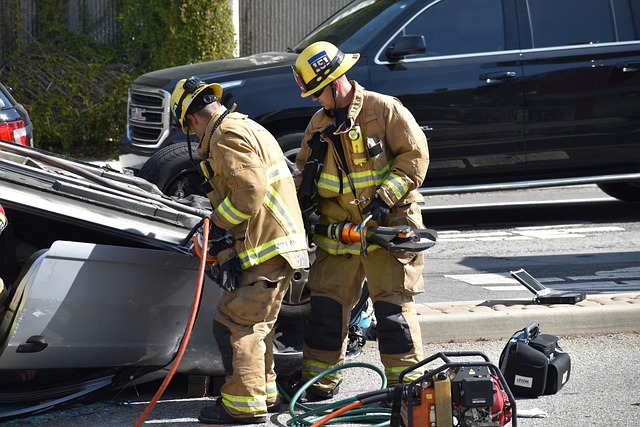
Losing a family member to someone else's negligence is a devastating experience, and the legal system asks a great deal of grieving families at the worst possible time. Injury law firms exist to shoulder that burden — investigating what happened, dealing with insurers, and pursuing accountability while the family focuses on each other. This article explains how experienced wrongful death firms in California approach these cases from first call to final resolution, and what families in Los Angeles should expect at each stage.
Understanding Wrongful Death Claims: What the Law Provides
California allows specified survivors — usually the spouse, domestic partner, and children — to bring a civil claim against the person or company whose wrongful conduct caused the death. The claim compensates the family for their own losses: the financial support the decedent would have provided, funeral and burial costs, and the profound non-economic loss of companionship, guidance, and care.
Timing Is Unforgiving
The statute of limitations for wrongful death in California is two years under Code of Civil Procedure § 335.1. Families who wait risk losing the claim entirely, and cases involving public entities — a dangerous intersection maintained by a city, for example — demand a government claim within six months. Experienced firms treat these deadlines as the very first item of case management.
Fault and the Statutes Behind It
Most wrongful death cases rest on negligence, and California's framework favors thorough lawyering. Pure comparative negligence, adopted in Li v. Yellow Cab Co. of California (1975), means a claim survives even when fault is shared. Where the defendant broke a safety law — speeding, running a signal, or driving impaired in violation of California Vehicle Code § 23152 or § 23153 — Evidence Code § 669 supplies a presumption of negligence. In fatal DUI cases, § 23153 charges are frequently elevated to felonies, and the criminal case becomes a rich source of evidence for the civil claim.
How Injury Law Firms Build a Wrongful Death Case
Immediate Investigation
The best firms move fast: securing the California Highway Patrol's CHP 555 collision report for freeway deaths on routes like US-101 or SR-134, or the LAPD file for crashes on city streets in Santa Monica, Burbank, or downtown Los Angeles. They photograph scenes before evidence fades, download vehicle data, subpoena surveillance footage, and interview witnesses while memories are fresh. In commercial truck cases, they demand FMCSA-mandated records — driver logs, electronic logging device (ELD) data, and hours-of-service compliance under 49 CFR Part 395 — before retention periods lapse.
Working Both Sides of the Evidence
When an impaired driver caused the death, two cases unfold at once: the district attorney's prosecution and the family's civil claim. The driver will usually mount a vigorous criminal defense through a specialist firm such as losangelesduiattorney.com, contesting the traffic stop, the field sobriety tests, the blood alcohol concentration (BAC) evidence, and the DMV license suspension that must be challenged within 10 days of arrest. Injury law firms study that defense playbook deliberately: the same chemical test results and police reports anchor both cases, so knowing how defense counsel will attack the evidence lets the family's lawyers reinforce it — and positions them to capitalize when a conviction lands, since a guilty verdict powerfully supports negligence per se in the civil action.
Expert Witnesses Who Carry the Damages Case
Wrongful death valuation depends on experts: accident reconstructionists, forensic economists who model decades of lost support, and grief and family-impact witnesses who help a jury understand what was taken. Firms handling deaths that followed catastrophic injuries — a traumatic brain injury (TBI) or spinal cord injury that preceded the passing — also bring treating physicians to establish the causal chain and the suffering endured.
Pursuing Justice: Settlement, Litigation, and Accountability
Negotiating From Strength
Insurers respond to preparation. California's minimum liability limits — raised to $30,000 per person and $60,000 per accident by Senate Bill 1107 effective January 1, 2025 — are trivial against a death claim, so firms chase every coverage layer: employer policies, umbrellas, and the family's own uninsured/underinsured motorist (UM/UIM) coverage. Early involvement of seasoned counsel measurably changes insurer behavior; carriers take claims more seriously when they know the firm across the table tries cases.
Punitive Damages and the Drunk Driving Defendant
Where intoxication caused the death, Civil Code § 3294 authorizes punitive damages, a principle the California Supreme Court confirmed for drunk drivers in Taylor v. Superior Court (1979). Because punitive awards are generally not insurable, a properly pleaded punitive claim pressures defendants personally and often unlocks settlements above policy limits. In narrow cases, liability can also reach an alcohol licensee under Business & Professions Code § 25602.1 for serving an obviously intoxicated minor.
Trial When It Matters
Cases that will not settle fairly are tried, most often at the Stanley Mosk Courthouse of the Los Angeles County Superior Court. A firm's willingness to present the family's story to a Los Angeles jury — supported by NHTSA crash data, reconstruction exhibits, and honest human testimony — is ultimately what converts a wrongful death claim into real accountability.
Frequently Asked Questions
What is the deadline to file a wrongful death claim in California?
Two years from the date of death under Code of Civil Procedure § 335.1, with a six-month government claim deadline when a public entity like Los Angeles County shares responsibility.
How does the driver's DUI prosecution affect our civil case?
A conviction under Vehicle Code § 23152 or § 23153 supports negligence per se under Evidence Code § 669 and opens the door to punitive damages under Civil Code § 3294. Your attorneys will monitor the criminal case closely because both cases rely on the same BAC and police report evidence.
Do most wrongful death cases in Los Angeles go to trial?
No — most resolve through negotiation or mediation. But the strongest settlements go to families whose firms are visibly prepared to try the case in Los Angeles County Superior Court.